Anime and fantastic music seem to go hand in hand. And if not always absolutely, jaw-droppingly sensational, anime soundtracks are at a minimum notable and emotionally impactful — I have yet to see an anime from which I don’t come away thinking again and again about the music used: But why is it so good? Where does the emotional impact come from? And why does it work so well every single time?
Well, a big part of it comes down to one important fact: nothing is random. Each piece has meaning, has purpose.
To ensure each soundtrack has its own remarkable spirit that hits you right in your soul, the composers for anime tend not to play it safe. They don’t simply come up with generic compositions of music you’ve heard variations of a hundred times over; they create something unique to the show or movie itself. The intense, epic, chill-inducing music in Attack on Titan could not be swapped for the soaring, uplifting soundtrack of Haikyuu. The fairytale-like composition in Howl’s Moving Castle wouldn’t fit another film that didn’t possess its same peculiar yet endearing magical characters.
Fellow Emerson student Gordon Chan makes note of this special attention to detail and the uniqueness of anime music when considering what makes the musical experience of anime different from other shows and films: “A lot of the music is scored differently. American animations are often scored to the picture, with the music acting as a support for the images beat to beat. Anime music, however, is usually written in large suites to concepts rather than pictures, so a lot of times they have much more fleshed out melodies and movements.”
This idea of creating soundtracks to support whole concepts touches on the reason behind the emotionality of anime music, that special something making for the memorable, outstanding sound so many anime compositions have. A sound that is not found anywhere else. The concepts creating this sound can include overarching themes like those of freedom, love, hope, or any number of others, with composers providing a wide scope of music to get to the heart of these concepts through compositions that include main themes, large suites, and intricately complex melodies. Such complexity allows for the nuance behind each concept and theme to be explored and fully-realized. For example, in Attack on Titan, a show characterized by freedom, its score communicates this theme in thought-out songs that portray the spectrum of emotions found within it, from the pain and sacrifice it takes to get that freedom — shown by desperate but resolute vocals and strings — to the exhilaration and awe found in finally having it — evoked through heart-racing movements with rapid shifts and ever-building climaxes.
It also should be noted that a big part of what gives anime music its “sound” is the fact that, surprise, its lyrics are in Japanese. Emerson student Olivia Tran comments on this, saying that by having lyrics in another language, “the experience that the listener has is purely a reaction to the emotion in the vocals and production.” While you may not know what is being said, you are certain to feel the passion of each sentiment portrayed by the vocalist, making for a listening experience unique to what most English-speakers are used to. While we usually engage with music through the lyrics, anime pulls us into its sound so we actually feel it, creating a closer and more immersive relationship.
But not all anime music features vocals; in fact, much of it does not. When asked to further elaborate on what makes anime music special, Tran speaks about the way the music works with the visuals of the anime: the music is “paired with visuals in the opening sequence or during emotional peaks within the anime which creates a lasting impact in the audience’s mind.” While all TV and film soundtracks technically have visuals with their scores, it is this incredible ability to connect our feelings, and the feelings of the characters, to the music itself that makes anime soundtracks so memorable. This is a sentiment with which Tran agrees: “With iconic opening/closing themes and other anime tracks, I can almost always vividly picture the animation that accompanies the song. Similarly to how regular songs can be associated with certain memories, anime music is able to take the listener back to a particular moment in the character’s journey, which creates a sort of nostalgia after initially completing the anime.”
One of the ways anime expertly connects character, visuals, and music can be seen in its use of character themes. For example, from the moment you hear the quick-paced opening piano notes of “L’s Theme A” from Death Note, you know L is about to come up with something brilliant. And by the time the theme gets to the hard-hitting guitar section, he’s already handed Light’s ass to him and is another five steps ahead on the next problem. On the other hand, when the calm, clean guitar strings of “Light’s Theme” appear — a theme that slowly ascends into a more complex rock piece mirroring Light’s own descent into madness as the series goes on — you know that Light has maneuvered his way out of the situation or has tricked everyone into falling for the master plan he knew would work out exactly the way he wanted it to. And so, the game of cat and mouse continues between the two, each theme playing multiple times per episode until hearing one or the other subconsciously prepares you for what’s going to happen next, who’s about to get the focus, or, sometimes, who is about to get the upper hand, if you’re really paying attention.
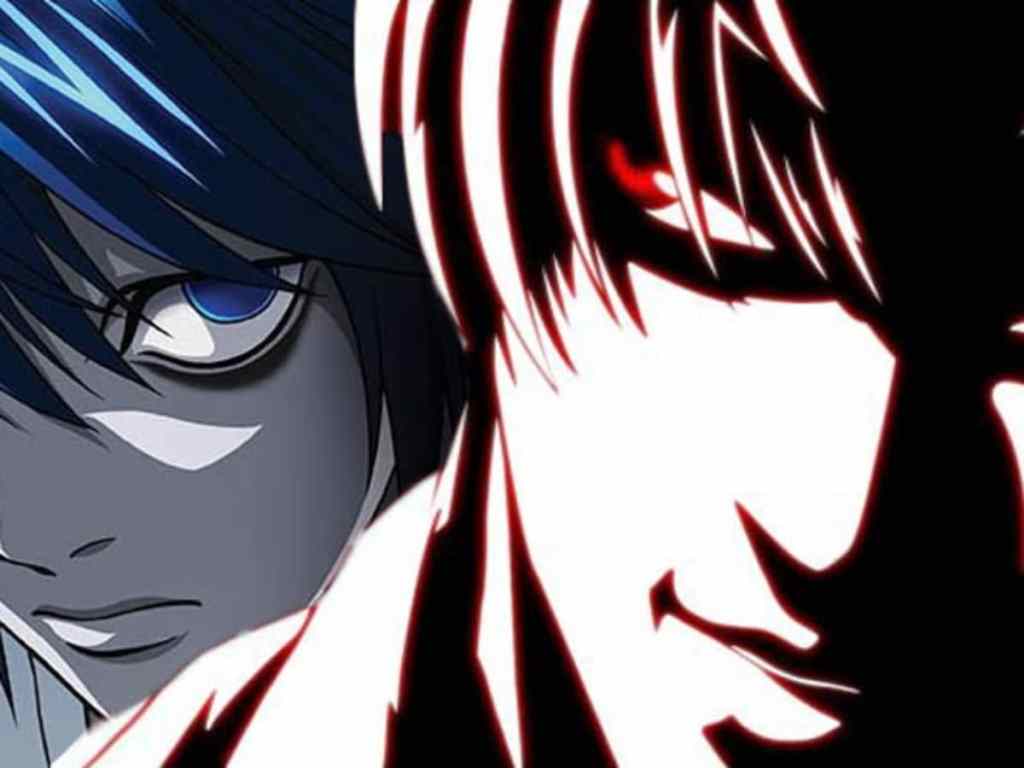
And when you hear the low, deep, unsettling chords of Death Note’s “Low of Solipsism,” you get that feeling of anticipation — or perhaps dread, depending on who you are — deep in your stomach for the montage of deaths and chaos that is sure to come as the song evolves into a full on operatic piece on par with “O Fortuna” or “Duel of the Fates.” It may not be a character theme, but it gives you just as much context and sets the mood perfectly. The classical music backbone of the OST (Original Sound Track) along with the operatic vocals gives each scene an air of intensity and grandioseness, capturing the unhinged but brilliant mind of our main character, Light, and all the grand, yet terrible, things he is to do throughout the show.
Continuing into specifics, we then have A Silent Voice, a film about a young man reconnecting with the deaf girl he used to torment in grade school. While there are no character themes, A Silent Voice’s main theme, “Lit,” gets used many times throughout the film in impressively effective ways — sometimes when the characters are simply looking at one another, and sometimes during particularly emotional moments. But by far the most notable use of it comes at the very end of the film when the protagonist, Shoya, is finally able to look people in the eyes. Tears of joy begin falling uncontrollably down his face as he stares at his friends and Shouko, the girl who changed his life. Given its previous use during meaningful moments of connection between characters, we already associate that theme with emotion, specifically between Shoya and those who are important to him.
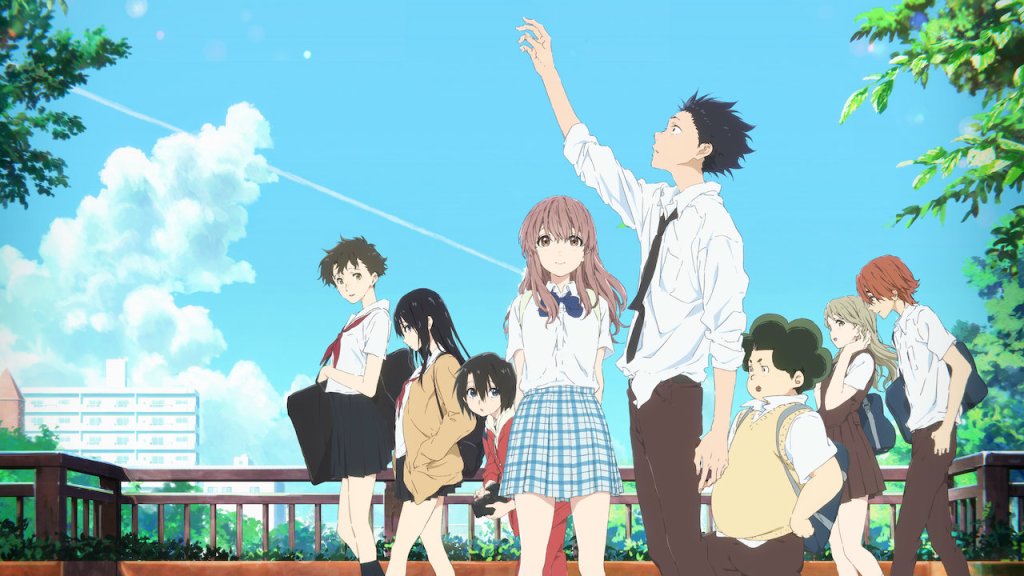
Devoid of synthetic enhancement, there’s a rawness to “Lit” that perfectly reflects the feeling of the film and the characters themselves. At parts, you can literally hear the release of the piano keys being played.
Another film with a particularly famous soundtrack that connects its theme to specific feelings and scenes is Howl’s Moving Castle, the Studio Ghibli film composed by Joe Hisaishi. The vibrant, whimsical piece called “Merry-Go-Round of Life” whisks you away with the main character, Sophie, from the moment it is first used, taking you to a magical land of wizards, spells, and moving castles. The first moment the theme is used in full also serves as the introduction of Howl, the wizard who meets Sophie by taking her for a walk through the sky to escape the evil witch’s henchmen attempting to chase them down. Immediately, we associate the tune with magic and excitement. Of course, you don’t need this context to understand this; the music itself is able to transport you into their world, making you feel as if you really are walking among the clouds (perhaps with a charming wizard by your side).
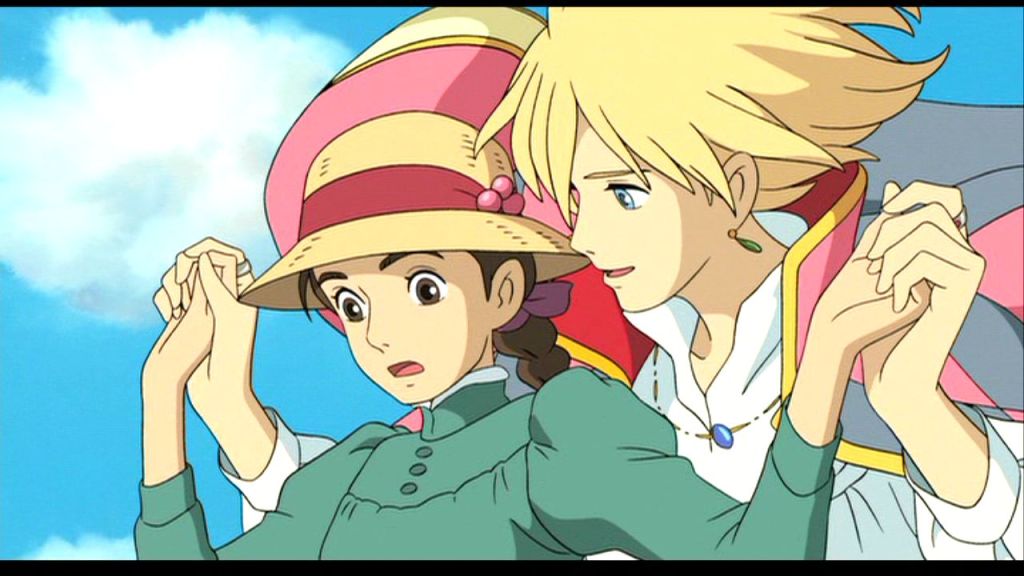
Olivia Tran also mentions Howl’s Moving Castle when speaking of scores she listens to frequently, saying “Hisaishi’s compositions draw from both romantic and classical periods and help create the dreamy, enamoring feeling that Ghibli films are known for.” The result of this classical inspiration in “Merry-Go-Round of Life” is its mix of light, fluttering piano and flowing violin as the very definition of fantasy, the perfect escape from reality.
Unlike films such as Howl’s Moving Castle and A Silent Voice, the action-packed dark fantasy show Attack on Titan does not have one specific theme used for nearly all its pivotal moments. As a show that spans between heartbreaking devastation and epic adventure, its soundtrack has a similar scope. Yet even with such a sweeping array of music, there are certain OSTs that become familiar the more you watch. For example, Attack on Titan often uses the same “fight theme,” or variations of it, when things are about to really go down. It begins with a sputtering electric pulse that runs along your spine and makes your hair stand on end. Before long, hard guitar riffs and chanting vocals appear, accompanied by the beat of drums. Then the lead voice belts out desperately; it’s in German and we may not know what she’s saying, but we know it’s nothing good. Each time the beginning notes are heard, you get a spark of anxiety and awe for the battle to come as you can already taste the blood, sweat, and tears of the characters.
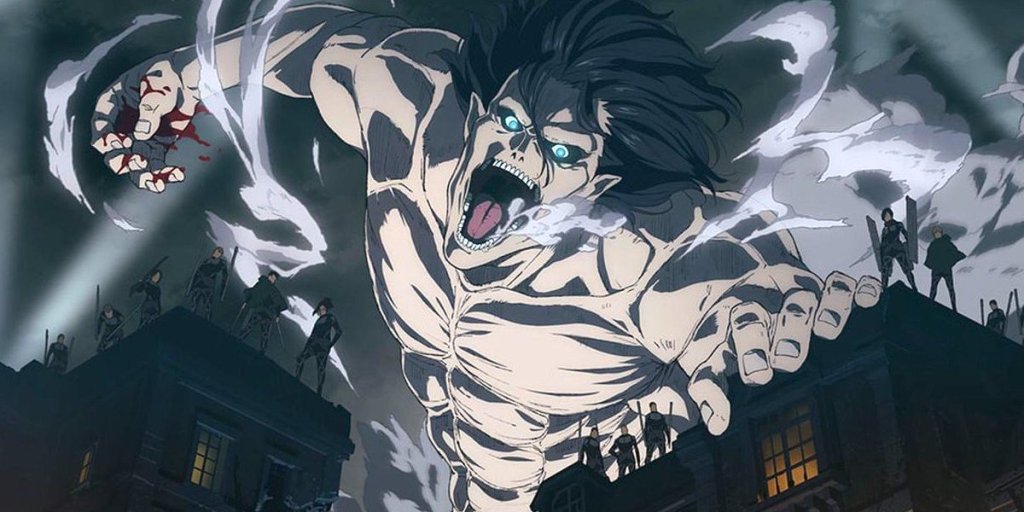
Then there is “Vogel im Käfig,” an OST that automatically packs a heavy, emotional punch straight to your gut every single time it’s played. As it is introduced in the very first episode of the show as our protagonist, Eren, is forced to watch a titan eat his mother — a traumatic moment that forever haunts both us and Eren — the song solidifies itself as a distressing, heart-rending piece for the entirety of the series. It is no small testament to its impact that Gordon Chan — who frequently listens to an extensive variety of film soundtracks — lists this OST as a favorite of his, mentioning it as what first comes to mind when thinking of a specific, standout musical moment.
Now, let’s talk about Haikyuu, the most famous sports anime of all-time. I’ve mentioned before that Haikyuu tends to have a very uplifting soundtrack, one that can make you smile just from hearing it. For example, the fast-paced drums and swelling strings combined with the electric guitar of tracks like “Above” create a moving, aweing feeling that sweeps you into Haikyuu’s world of high school volleyball fanatics, making you believe there is nothing more important than the characters winning this next game. But that isn’t all there is to it. Depending on the scene it’s used in, the soundtrack also keeps you on the edge of your seat. Haikyuu has a very steady buildup to their final matches at the end of each season, offering a euphoric payoff for every single one, and the soundtrack reflects this. This show that usually uses lighthearted, fun tracks suddenly sucks you in with dramatic, impassioned music that escalates the intensity of the match being played — producing a combination of anxiety, suspense, and unrivaled excitement.

The sheer force of “Direct Confrontation,” the OST used for when Karasuno takes on their long-time rivals, Aoba Johsai, will literally give you chills. But nothing compares to “Battle of Concepts,” the track used during the match point scene in season three’s finale. It’s an OST that takes pieces of familiar, classic tracks like “Above” and combines them with the blood-pumping adrenaline of “Direct Confrontation,” creating a cocktail of emotion built up from past experiences of watching the show and the power of the music itself. The strings and drums build and build, heightening both the score itself and your own anticipation until all of the background instruments drop away, leaving only the melody carried by the strings as our protagonist, Hinata, flies in the air toward the ball in slow motion, sweat dripping down his face, body perfectly poised for the attack. Just as his hand is about to make contact, just as we’re all gazing at our screens with open mouths wondering if this is really happening, the beat of the track kicks back in underneath the melody of strings. And just like that, the play for the final point is over. No matter the outcome, whether or not Hinata hits that ball and makes the point, the scene has you floored either way. You won’t know what hit you until you’re staring at your screen with tears rolling down your cheek, wondering how an anime about high school volleyball has managed to make you so damn emotional.
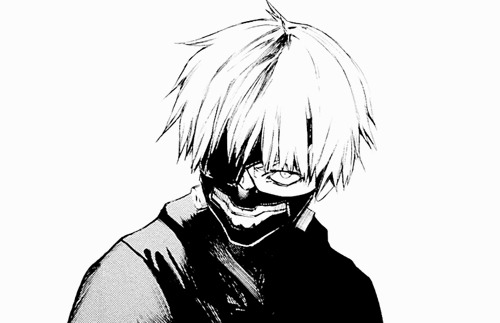
And, finally, we come to Tokyo Ghoul. But with this anime, there is only one song I am going to talk about: “Unravel,” possibly the most iconic anime opening of all-time. While many anime (see: Attack on Titan, Jujutsu Kaisen, Code Geass, etc.) have iconic intros, they are often only used for half a season before the show moves on to the next. “Unravel” has the distinction of being one of the only opening theme songs to be continuously used throughout its series from beginning to end.
While “Unravel” doesn’t stay as the show’s main opening every season, it is brought back during pivotal, emotional moments that symbolize a change or offer a powerful callback to the roots of the show and its characters. Whether it be the scene where Kaneki finally accepts he is ghoul and gains control of his power, defeating his captor and tormenter; or when Kaneki carries his childhood friend, Hide, through the snow, sacrificing himself over to his enemies in the process; the use of “Unravel” hits home. It reminds you where the show and our main character, Kaneki, began, and how far both have come.
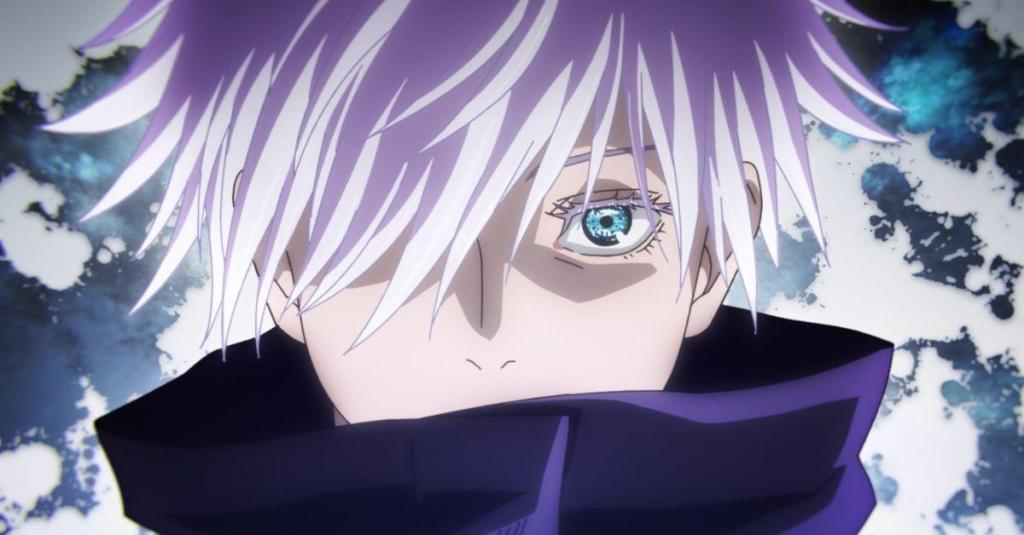
And this is only one fantastic anime opening. When speaking of anime music’s emotional connection, Emerson student Grace Guy mentions her favorite musical moment being “when you first hear a new opening.” Attack on Titan comes up specifically as she recalls its first opening theme being so fun to listen to that it immediately got her excited for the show before ever having seen it. Then, when speaking of their favorite anime closings, both Guy and Tran name Jujutsu Kaisen’s first closing, “Lost in Paradise,” rightfully naming the animated dancing outro an “instant classic.” The vibrant, sketch-like animation of the show’s main characters grooving to the song carries with it the fun, strange feeling of the show itself, continuously making you want to play the next episode. But to really get into anime openings and closings — and the wild amount of emotion they bring — would be a whole other article.
At the end of the day, it is impossible to pinpoint exactly each reason anime music has the effect that it does. There is too much to be said, and not all of it can be expressed in words as anime portrays an infinite variety of emotion, from the smallest of nuances to the biggest, most epic experiences — the kind of emotions that are too powerful to fall under a single label. Depending on the show or film, and who you are as a person, certain soundtracks will just stick with you, leaving an impact long after the ending credits have rolled.
 Julianna Morgan